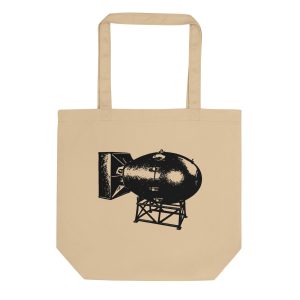
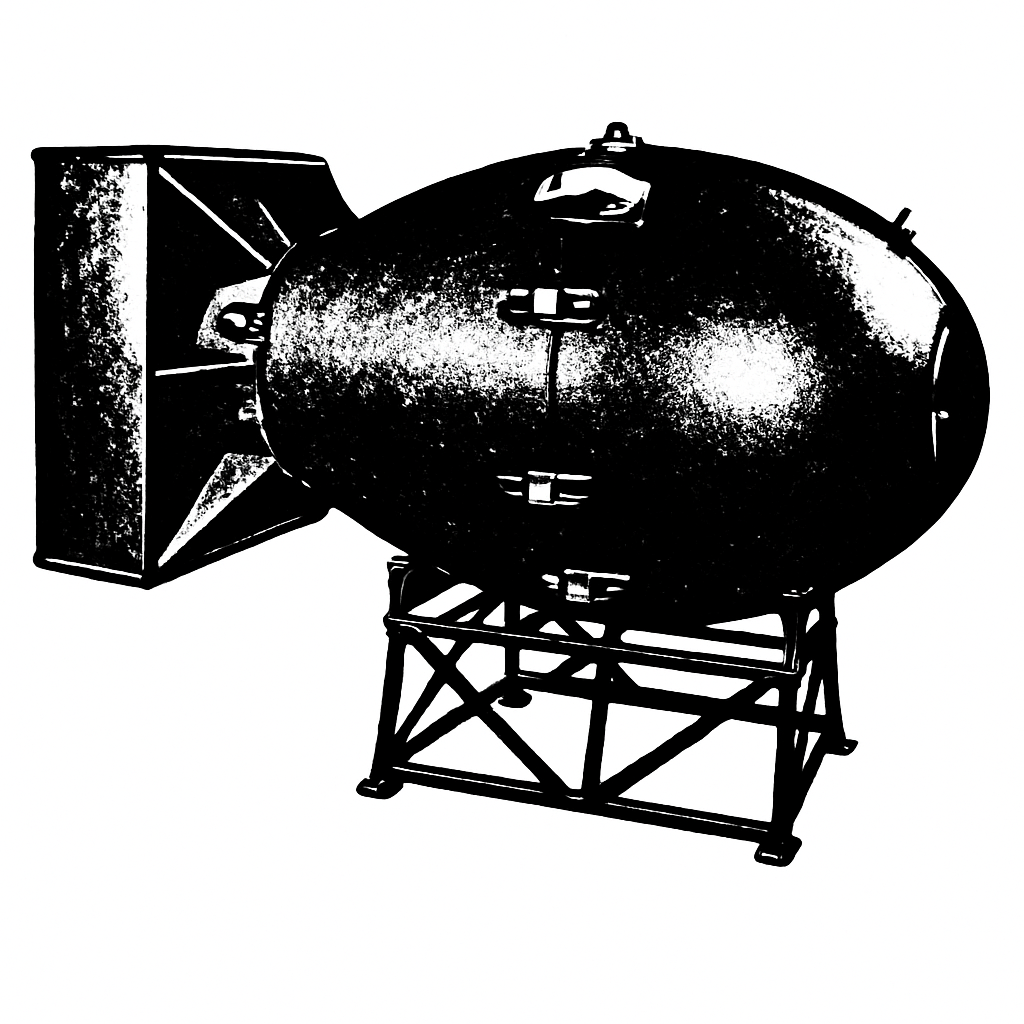

The Atomic Bomb ("Little Boy")
The Atomic Bomb ("Little Boy") – History, Interpretations, and End-Times
Historical Background
What Was “Little Boy”?
“Little Boy” was the codename for the uranium-based atomic bomb dropped by the United States on Hiroshima, Japan, on August 6, 1945, during the final stages of World War II. It was the first nuclear weapon used in warfare.
Impact on Hiroshima
The explosion caused widespread destruction across Hiroshima. Historical estimates suggest that approximately 140,000 people died by the end of 1945 from the combined effects of the blast, fires, and radiation exposure.
Large sections of the city were destroyed, and survivors experienced long-term health consequences, including increased rates of cancer and radiation-related illnesses.
Military and Political Context
The bombing occurred during the Pacific theater of World War II. U.S. leadership stated that the use of atomic weapons was intended to accelerate Japan’s surrender and avoid a prolonged invasion of the Japanese mainland.
Japan announced its surrender shortly after the bombings of Hiroshima and Nagasaki, bringing World War II to an end.
Beginning of the Nuclear Age
The use of atomic weapons marked a major turning point in modern history. It introduced the nuclear age and significantly influenced international relations, military strategy, scientific research, and Cold War geopolitics for decades afterward.
Interpretations and Controversies
Debates About Military Necessity
Historians and political analysts continue to debate the necessity and justification of the atomic bombings. Some argue the bombings helped end the war more quickly, while others believe Japan may already have been moving toward surrender.
These differing interpretations remain part of broader discussions about wartime ethics, military strategy, and geopolitical decision-making.
Claims of Information Suppression
Some researchers and commentators have argued that aspects of the bombings, including casualty imagery and radiation effects, were restricted or censored during the postwar period.
Supporters of this interpretation view such actions as efforts to control public perception, while others argue censorship reflected wartime and occupation-era information policies common at the time.
Geopolitical Interpretations
Certain interpretations suggest the bombings also served as a demonstration of military power during the emerging tensions between the United States and the Soviet Union at the beginning of the Cold War.
This perspective is frequently discussed in historical and political analysis concerning postwar global influence and deterrence strategy.
Fringe and Speculative Theories
Some fringe conspiracy theories connect nuclear weapons programs to hidden political networks, elite influence, or symbolic narratives involving global control. These claims are generally speculative and are not supported by mainstream historical evidence.
End-Times and Apocalyptic Interpretations
Nuclear Weapons and Apocalyptic Thought
The destruction of Hiroshima and Nagasaki introduced the possibility of large-scale human-caused annihilation. For many observers, nuclear weapons became associated with apocalyptic fears and concerns about the future of civilization.
Religious and Prophetic Interpretations
Some religious groups and commentators have interpreted nuclear warfare through the lens of biblical prophecy, particularly passages involving fire, destruction, judgment, and the end of the world.
These interpretations vary widely between denominations and belief systems and are often symbolic rather than universally accepted theological positions.
Symbol of Human Power and Risk
Nuclear weapons are frequently discussed as symbols of humanity’s ability to create technologies capable of global destruction. In philosophical and cultural discussions, this idea is sometimes framed as a warning about scientific advancement without corresponding ethical restraint.
Cold War Doomsday Fears
During the Cold War, fears of nuclear conflict became central to public discussions about global catastrophe and survival. Nuclear war scenarios heavily influenced films, literature, political discourse, and end-times narratives throughout the twentieth century.
Symbolism in Conspiracy and End-Times Narratives
“Man-Made Armageddon”
The atomic bomb is often described symbolically as a form of “man-made apocalypse,” representing humanity’s capacity for self-destruction through technological warfare.
Hidden Power Structures
Within conspiracy-oriented interpretations, nuclear weapons are sometimes portrayed as instruments tied to broader systems of political control, secrecy, or global influence. These interpretations remain speculative and vary significantly between sources.
Apocalyptic Imagery
Descriptions from Hiroshima survivors frequently include intense flashes of light, heat waves, fires, and widespread devastation. These accounts have contributed to comparisons with religious and apocalyptic imagery found in literature and prophecy traditions.
Summary
The “Little Boy” atomic bomb played a major role in the conclusion of World War II and marked the beginning of the nuclear era.
Historical discussions surrounding the bombings continue to include debates about military necessity, geopolitical strategy, wartime ethics, and long-term humanitarian consequences.
In conspiracy-oriented and end-times interpretations, the bombings are sometimes viewed symbolically as evidence of hidden political agendas, human self-destruction, or prophetic warning themes associated with nuclear warfare and global catastrophe.
References and Source Material
The following references include historical scholarship, documentaries, entertainment media, survivor accounts, and interpretive perspectives related to atomic warfare, Hiroshima, nuclear history, and cultural responses to nuclear weapons. Inclusion of a source reflects its relevance to historical study, cultural analysis, or public discussion and does not imply endorsement of any particular interpretation or claim.
Academic / Credible
The Making of the Atomic Bomb — Richard Rhodes. Pulitzer Prize-winning history of the scientific, political, and military development of nuclear weapons.
Hiroshima — John Hersey. Landmark journalistic account documenting survivor experiences following the bombing of Hiroshima.
The Decision to Use the Atomic Bomb — Gar Alperovitz. Examination of political and military debates surrounding the decision to use nuclear weapons.
Racing the Enemy — Tsuyoshi Hasegawa. Historical analysis of Soviet involvement and Japan’s surrender during the final stages of World War II.
Popular / Interpretive
By the Bomb’s Early Light — Paul Boyer. Examination of nuclear anxiety, Cold War culture, and apocalyptic fears in American society.
A People’s History of the United States — Howard Zinn. Includes critical perspectives on wartime decisions and atomic warfare.
Cold War Publications and Commentary — Collections of public reactions, survival fears, and geopolitical interpretations associated with the nuclear era.
Films & Media
Oppenheimer (2023). Historical drama examining the Manhattan Project and the development of atomic weapons.
Dr. Strangelove (1964). Satirical film focused on nuclear war, deterrence, and Cold War tensions.
Threads (1984). Fictional depiction of nuclear war and societal collapse.
Documentaries
Hiroshima (BBC Documentary). Historical reconstruction examining the Hiroshima bombing and its aftermath.
The Day After Trinity. Documentary covering J. Robert Oppenheimer and the development of the atomic bomb.
White Light / Black Rain. Documentary featuring survivor testimonies and historical analysis of Hiroshima and Nagasaki.
Images / Historical Artifacts
Hiroshima Peace Memorial (Genbaku Dome) — Preserved structure near the blast center serving as a symbol of nuclear remembrance and peace advocacy.
Photographs of Hiroshima After the Bombing — Historical images documenting destruction, civilian impact, and recovery efforts.
Little Boy Bomb Diagrams and Manhattan Project Archives — Technical and historical materials related to atomic weapon development and wartime research programs.
Related Products
-
Weapons
Little Boy Atomic Bomb Black Hoodie
$52.29 – $56.29Price range: $52.29 through $56.29 Select options This product has multiple variants. The options may be chosen on the product page -

T-Shirts
Little Boy Atomic Bomb Black T-Shirt
$30.29 – $36.29Price range: $30.29 through $36.29 Select options This product has multiple variants. The options may be chosen on the product page -
Hoodies
Little Boy Atomic Bomb White Hoodie
$52.29 – $56.29Price range: $52.29 through $56.29 Select options This product has multiple variants. The options may be chosen on the product page -
T-Shirts
Little Boy Atomic Bomb White T-Shirt
$30.29 – $36.29Price range: $30.29 through $36.29 Select options This product has multiple variants. The options may be chosen on the product page